


Rikuzentakata’s Fumonji Temple

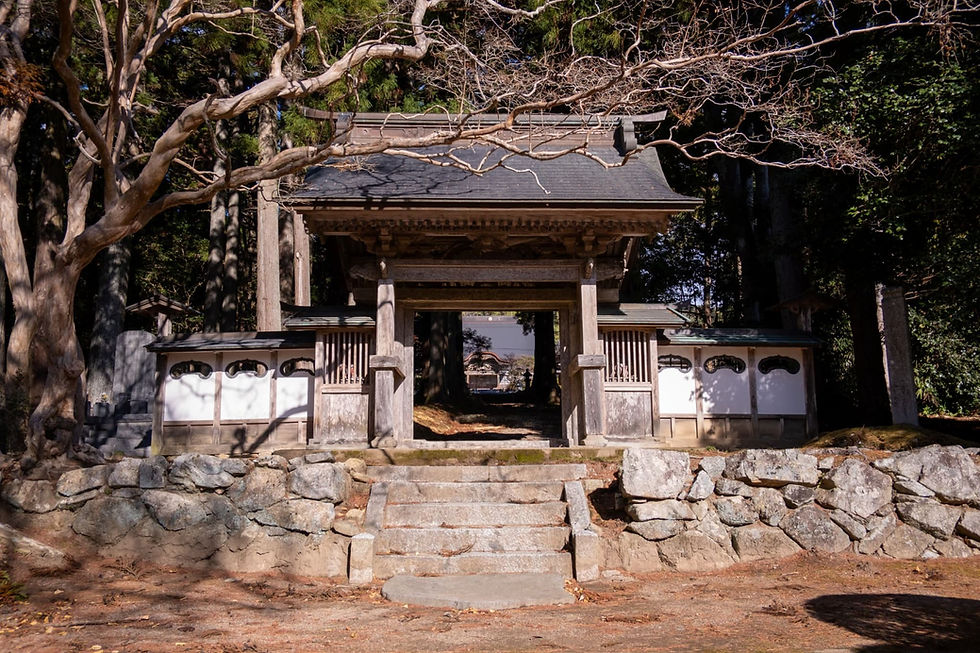
Tucked away in the forests of the northern part of Yonesaki-cho in Rikuzentakata sits Fumonji Temple.
The temple is part of the Sōtō sect of Zen Buddhism, and as the 29th Pilgrimage Site of the Oshu Thirty-Three Kannon, the grounds of this temple hold over 500 years of rich history and cultural importance.
In addition to the historical structures, there are also dedications to the victims of the 2011 Great East Japan Earthquake and Tsunami disaster: the Parent-Child Jizo statues, the Five Hundred Arhats, and the Cherry Blossom of Wishes.


Three-Story Pagoda
The current pagoda was built in 1809 and stands 12.5 meters (41 feet) tall. Despite a fire breaking out in 1867 it is said that the pagoda managed to escape harm.
The eaves on each level feature delicate and elegant designs showcasing the craftsmanship of the carpenters from the renowned school of Kesen, whose origins trace back to Rikuzentakata.
Recognized for its important cultural and archival value, the Three-Story Pagoda was officially designated as a Tangible Cultural Property by Iwate Prefecture in 1975.

Crape Myrtle
The crape myrtle at Fumonji Temple is designated as a Natural Monument by the Iwate Prefecture Government. It is said to have been brought from South China and planted in the grounds of the temple during the Enpo era (around 1680).
Standing 6 meters (20 feet) tall and estimated to be over 300 years old, it is the oldest crape myrtle in Iwate Prefecture. It blooms with beautiful crimson flowers in the summer, with peak viewing during the month of August. Even visiting the shrine in December is spectacular. The sturdy trunk and sprawling branches are unobscured by leaves during this time of the year, which allows you to see clearly the incredible age of this tree.

The Five Hundred Arhats
Scattered around the area leading up to the temple are the Five Hundred Arhat statues. These statues were part of the Rikuzentakata "Memories for the Future" project started in 2013. The project sought to honor the victims of the disaster and to heal grief and trauma through the act of carving stone statues. Carving workshops were held every year in August from 2013 to 2017, resulting in the creation of over 500 statues.
Participants came from across Japan to participate in the workshops, and each person poured their feelings into their creation. The result is hundreds of unique statues, each with their own characteristic expressions that convey the deep emotions of their creator.

Cherry Blossom of Hope
The Cherry Blossom of Hope is a hanging dedication created to the spirits of those who perished in the disaster.
The creation was led by the women's division of the Rikuzentakata Chamber of Commerce and Industry, where they made 18,430 cloth cherry blossom flowers, representing the number of those who died or went missing in the disaster. Inside each flower contains a slip of paper with prayers and messages for the victims. Because this tree’s flowers are made of cloth, this blooming Cherry Blossom, and the prayers for the victims, will never fade away.
Standing at around 4.5 meters (15 feet) and weighing about 150 kilograms (330 pounds), it is truly a sight to be seen.

For more pictures of the temple during the other seasons, please check out the official website.


コメント